The Hidden Cost of Every Click: How Gas Fees and Network Charges Are Slowly Draining Your Crypto Portfolio
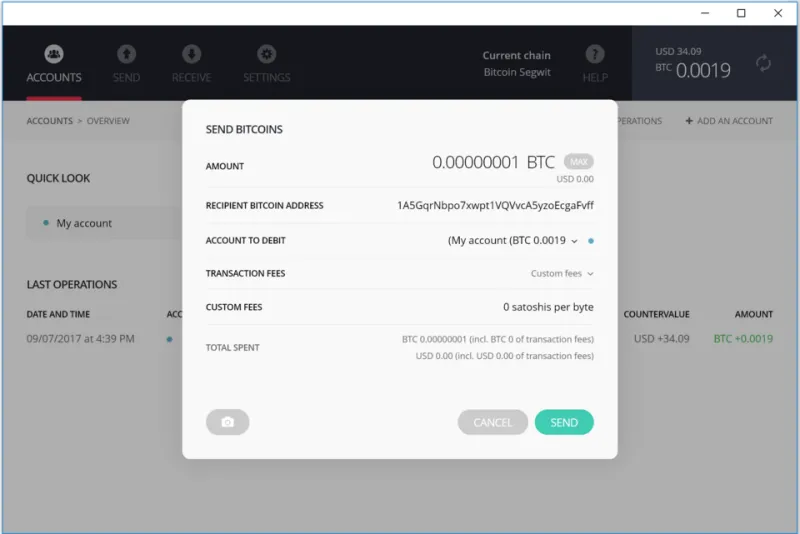
Photo: FlippyFlink, CC BY-SA 4.0, via Wikimedia Commons
The Fee Nobody Talks About Until It's Too Late
There is a moment every active crypto trader eventually encounters: the realization that a year of disciplined trading, careful market timing, and reasonable position sizing has yielded far less than expected. The culprit is rarely a single bad trade. More often, it is the slow, steady erosion caused by transaction fees—charges that appear modest in isolation but compound into meaningful losses over hundreds of interactions.
For retail participants in the United States, where crypto trading has become increasingly mainstream, this issue carries particular weight. With platforms like Coinbase, Uniswap, and various Layer 2 networks now accessible to everyday investors, the volume of on-chain activity has surged. So has the aggregate cost of participating in it.
Understanding how fees accumulate—and how to reduce them—is no longer optional for anyone serious about preserving capital.
How Gas Works and Why It Fluctuates So Dramatically
On the Ethereum network, transaction costs are denominated in "gas," a unit that measures the computational effort required to execute a given operation. Simple token transfers consume less gas than complex smart contract interactions, such as those involved in decentralized exchange swaps or liquidity provision.
The price of gas itself is determined by network demand. When activity on Ethereum spikes—during NFT mints, token launches, or broader market volatility—gas prices can climb from a few dollars per transaction to well over $50 or even $100. A trader executing five swaps during a peak period might unknowingly spend $300 to $500 in fees alone, a figure that can exceed the profit margin of the underlying trades entirely.
This dynamic is not unique to Ethereum. Solana, while significantly cheaper on average, has experienced its own network congestion events. BNB Chain fees, though lower, still accumulate across high-frequency trading behavior. Each blockchain carries its own fee architecture, and understanding those structures is foundational to cost-aware trading.
Comparing Cost Structures Across Major Chains
A practical comparison of fee environments across leading blockchains reveals significant variance:
- Ethereum Mainnet: Fees range from $2 to $100+ depending on congestion. Complex DeFi interactions, such as multi-hop swaps through aggregators like 1inch, can cost substantially more.
- Arbitrum and Optimism (Ethereum Layer 2s): Fees typically range from $0.10 to $2.00 per transaction, with equivalent functionality to Ethereum mainnet at a fraction of the cost.
- Base: Coinbase's Layer 2 network frequently processes transactions for under $0.05, making it one of the most cost-efficient environments for retail activity.
- Solana: Average fees remain below $0.01 per transaction under normal conditions, though priority fees during congestion can raise this meaningfully.
- BNB Chain: Mid-tier fees, generally $0.20 to $1.00 per swap, with a centralized trade-off that some traders accept for cost efficiency.
The implication is clear: traders who conduct the majority of their activity on Ethereum mainnet without strategic justification are paying a premium that Layer 2 alternatives have largely eliminated.
The Behaviors That Maximize Fees—And Why Traders Keep Doing Them
Certain trading patterns are particularly fee-intensive, yet they remain common among retail participants. Recognizing these behaviors is the first step toward correcting them.
Frequent small swaps represent perhaps the most costly habit. A trader who executes ten $200 swaps on Ethereum mainnet during a moderately congested period may spend as much in fees as a trader who executes one $2,000 swap. Consolidating transactions where possible preserves capital without sacrificing market exposure.
Interacting with contracts during peak hours compounds this problem. Ethereum gas prices follow predictable patterns, with fees typically lower on weekends and during off-peak US hours, particularly in the early morning hours Eastern Time. Scheduling non-urgent transactions during low-demand windows can reduce costs by 40 to 70 percent.
Ignoring slippage and routing inefficiencies adds a secondary layer of cost. DEX aggregators are designed to find optimal swap routes, but traders who bypass them in favor of direct pool interactions often receive worse execution prices in addition to paying standard gas costs.
Bridging assets without fee awareness is another significant drain. Cross-chain bridges charge both gas fees on the origin chain and destination chain, plus protocol fees in some cases. A single bridge transaction can cost $15 to $40 on Ethereum mainnet, making it economically inefficient for small transfer amounts.
Gas Optimization Strategies That Actually Work
Reducing fee exposure does not require sacrificing access to desirable protocols or opportunities. The following strategies are practical for traders operating at any portfolio size.
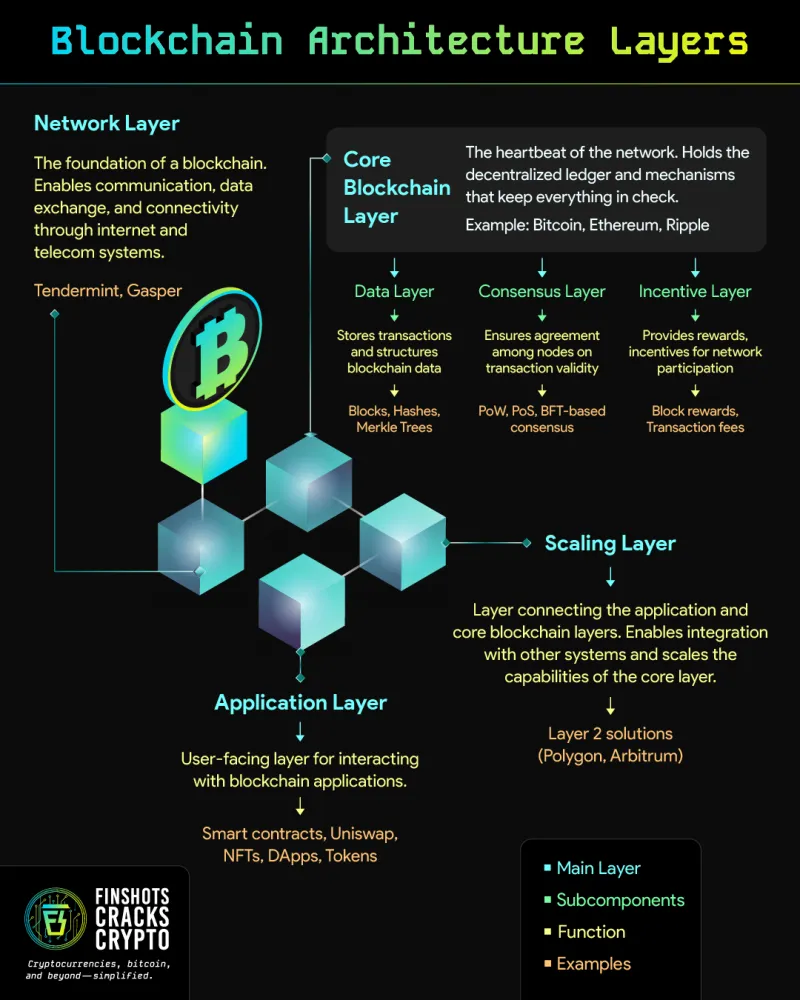
Migrate routine activity to Layer 2 networks. For the majority of DeFi interactions—swapping, yield farming, lending—Arbitrum, Optimism, and Base offer equivalent functionality at dramatically reduced cost. Most major protocols now maintain deployments across these networks.
Use gas trackers and set transaction limits. Tools such as Etherscan's Gas Tracker and the Blocknative Gas Estimator allow traders to monitor real-time fee conditions and set maximum gas prices, preventing overpayment during transient congestion spikes.
Batch transactions where protocol design permits. Some platforms allow multiple operations to be bundled into a single transaction, reducing the fixed overhead cost paid on each individual interaction.
Reconsider bridging frequency. Rather than moving assets across chains repeatedly, establishing a deliberate allocation to each chain and minimizing cross-chain transfers reduces cumulative bridging costs substantially.
Account for fees in trade sizing decisions. Before executing any swap, calculate the fee as a percentage of the transaction value. If fees represent more than 1 to 2 percent of the position, the economics of the trade deserve scrutiny.
The Annual Impact: Why This Deserves Serious Attention
Consider a moderately active trader executing 15 on-chain transactions per month on Ethereum mainnet at an average fee of $12 per transaction. Over 12 months, that trader has spent $2,160 in fees—capital that generated zero return and compounded no value.
A comparable trader routing the same activity through Layer 2 infrastructure at an average fee of $0.50 per transaction would spend $90 annually. The difference of $2,070 represents a real, recoverable return that requires no market prediction, no additional risk, and no sacrifice of functionality.
At scale, the math becomes more compelling still. High-frequency DeFi participants report annual fee expenditures in the tens of thousands of dollars, much of which could be recaptured through deliberate network selection and behavioral adjustments.
Treating Fees as a First-Order Variable
The cryptocurrency market rewards those who manage their capital with discipline across every dimension—not just entry and exit timing. Network fees represent a controllable variable that most retail traders treat as an afterthought. That oversight has a measurable cost.
By treating transaction expenses as a first-order concern, building fee awareness into trade planning, and leveraging the cost-efficient infrastructure that now exists across the ecosystem, traders can meaningfully improve net returns without taking on additional market risk. In an environment where every basis point matters, that discipline is worth cultivating.